Altum Commodities supplies Bitumen 80/100 for road construction, asphalt production and infrastructure projects, connecting dependable sourcing with the commercial and technical requirements of international buyers.
Bitumen 80/100 is a penetration-grade paving bitumen with a softer consistency than harder penetration grades such as 40/50 and 60/70. It is used as a binder in asphalt mixtures for road paving and related infrastructure works. Its suitability for a particular project depends on the applicable construction standard, climate conditions, traffic loading, pavement design and the specifications agreed for each cargo.
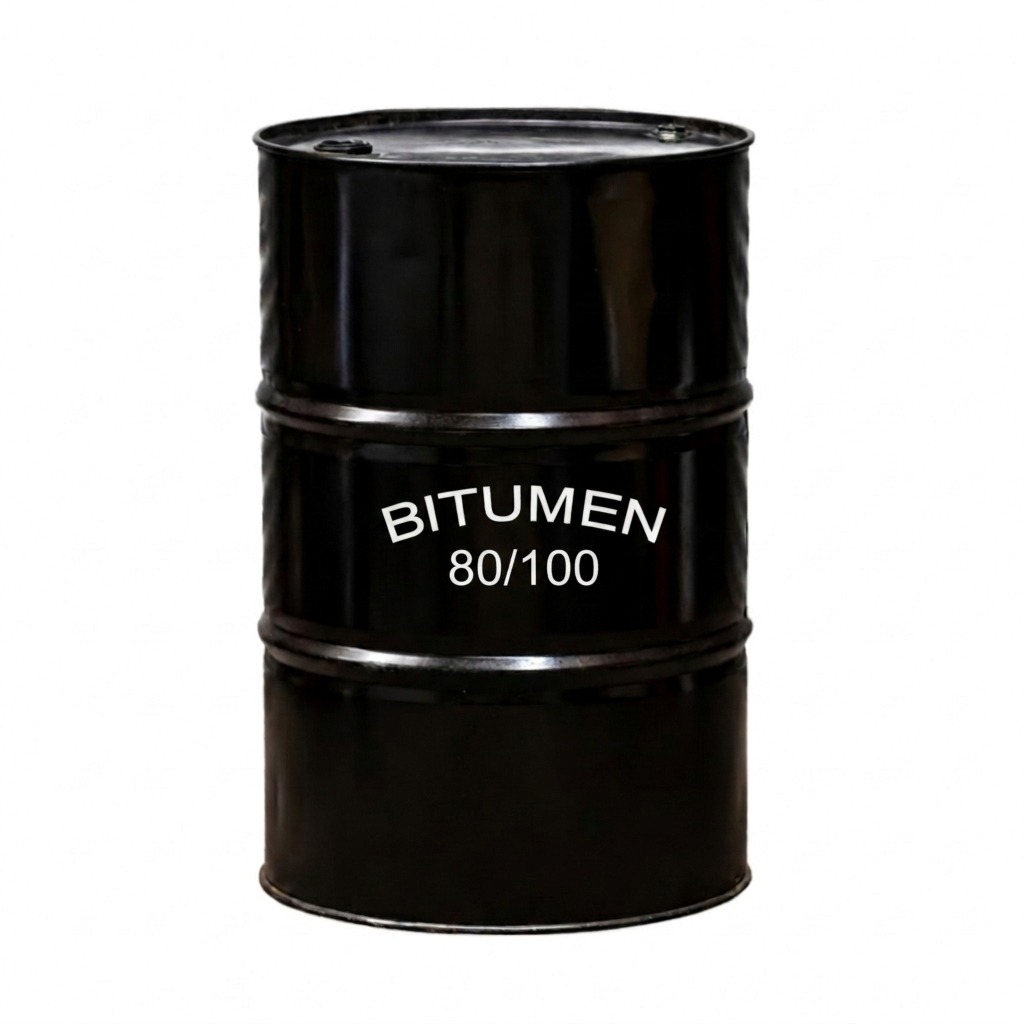
Altum Commodities supplies Bitumen 80/100 for road construction, asphalt production and infrastructure projects, connecting dependable sourcing with the commercial and technical requirements of international buyers.
Bitumen 80/100 is a penetration-grade paving bitumen used as a binder in asphalt mixtures. Its penetration range indicates a softer consistency than harder grades such as 40/50 and 60/70. Its suitability for a particular project depends on the applicable construction standard, climate conditions, traffic loading, pavement design and the specifications agreed for each cargo.
Our approach focuses on agreed product specifications, reliable supply channels and coordinated execution from origin through to destination. Product specifications and acceptance limits are confirmed for each available cargo and can be provided during the quotation process.
Bitumen 80/100 is used in road paving, hot-mix asphalt production and related bituminous pavement works where this penetration grade meets the project's technical requirements. Its selection depends on the asphalt mix design, expected traffic and climate conditions, applicable engineering standards and project specifications.
* The 80/100 designation indicates the nominal penetration-grade classification. The applicable standard, reported penetration result and all acceptance limits must be confirmed against the agreed product specification and the supplier's Certificate of Analysis (COA) for the relevant cargo.